Why Students Need Hands-On Creative Experiences, Not Just Tutorials
There is a big difference between watching someone create and being part of the creative process yourself.
A tutorial can explain how to frame a shot, edit a scene, project your voice, or write a stronger story. It can be useful, especially when a student is learning something new. But the real learning often begins after the video ends.
It begins when the camera is rolling, and the lighting suddenly looks different than expected. It happens when a performer has to take direction, try the scene again, and find a more natural way to deliver the moment. It happens when a sound issue interrupts a recording, and the team has to work together to fix it without losing focus.
Those experiences cannot be fully taught through a screen.
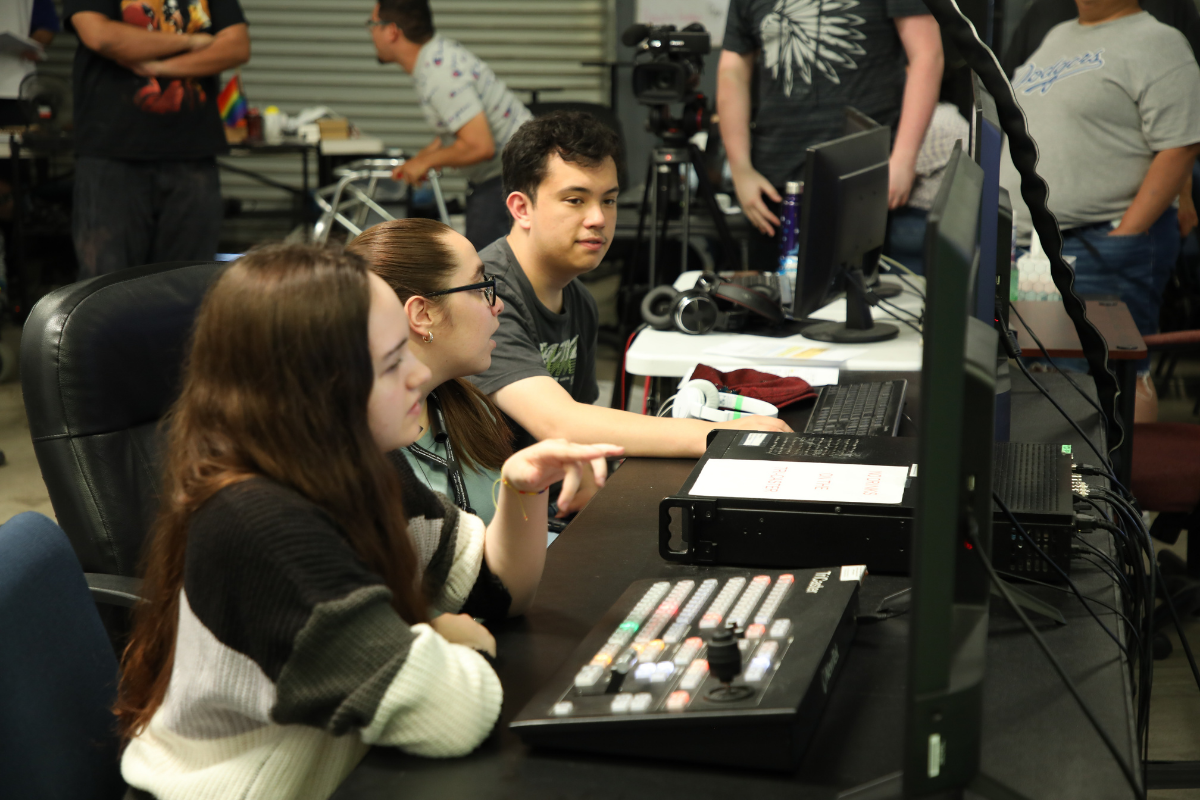
Hands-on creative learning gives students the chance to make decisions, take responsibility, and understand how every part of a production connects. A student working behind the camera begins to see how framing changes the way a story feels. A student editing a project learns that pacing can completely change the audience’s response. A performer discovers that preparation matters, but so does being present and responding to the people around them.
This is where creativity becomes practical.
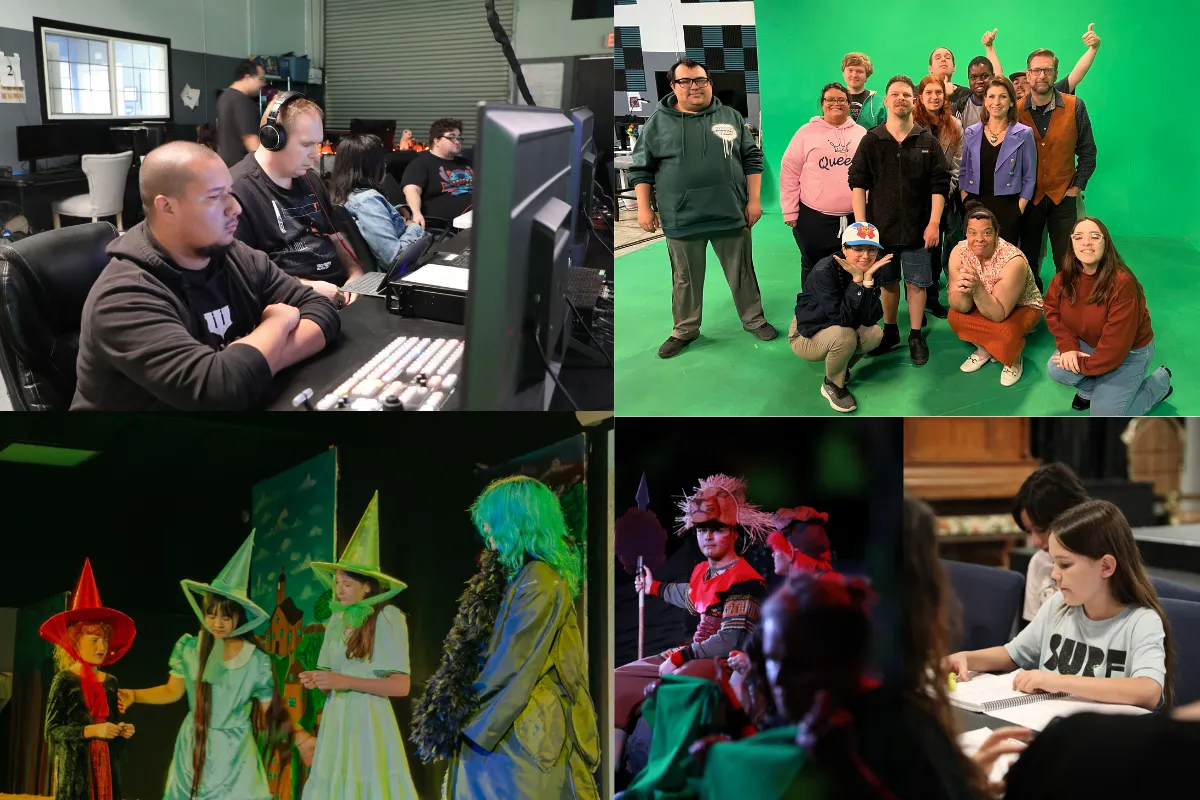
Through production, theater, filmmaking, and storytelling, students learn to communicate clearly, manage time, respond to feedback, and stay calm when things do not go according to plan. These are creative skills, but they are also life skills and workplace skills.
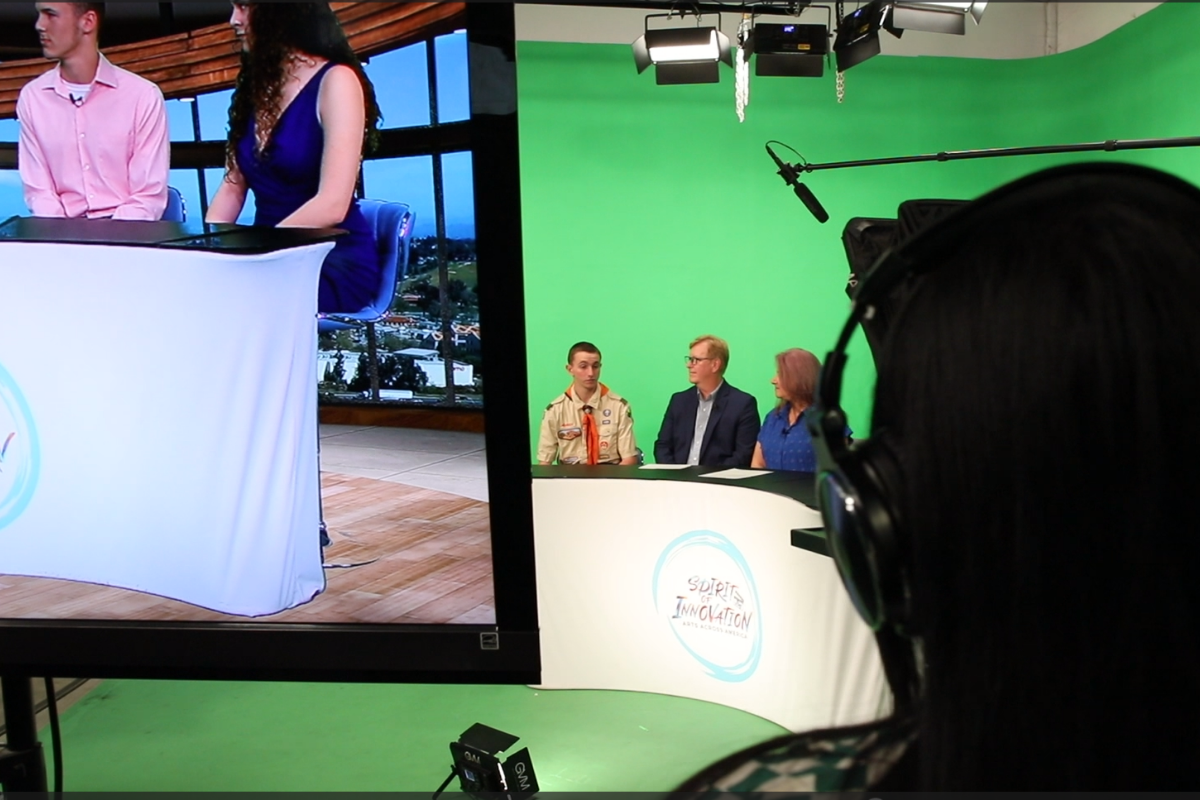
A real project also shows students that there is more than one way to contribute. Some feel at home in front of an audience. Others are more comfortable running a camera, writing, editing, organizing, designing, or helping the group stay on track. When students are given the chance to explore different roles, they begin to understand where their own strengths fit.
That discovery can be incredibly meaningful.
For students who may not always feel successful in a traditional classroom, creative work can open a different door. A student who is quiet during a lecture may become highly focused while setting up a camera. Someone who struggles to explain an idea in writing may communicate it clearly through performance, visual storytelling, or sound.
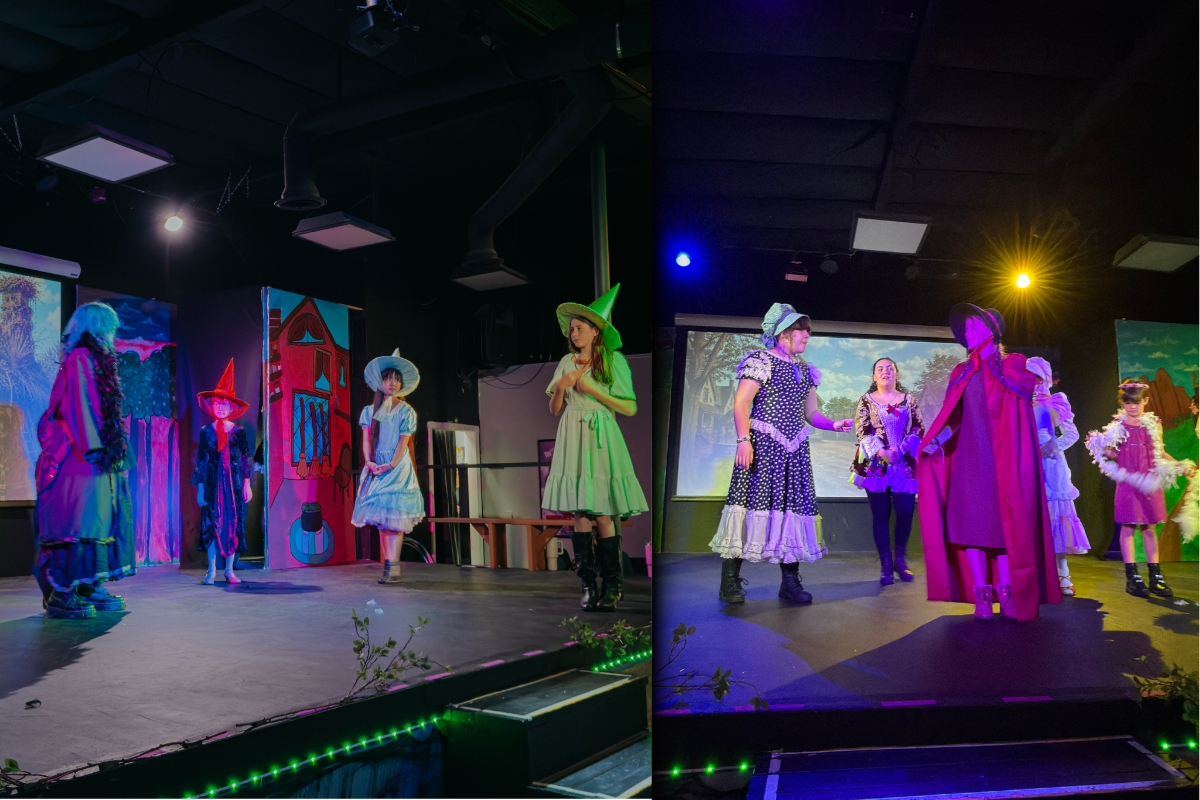
Inclusive arts education makes room for those differences. It allows students of all abilities to participate in a way that feels purposeful, while still challenging them to grow.
At JDS Creative Academy, students are encouraged to learn by doing. They are not only shown how creative industries work. They are given opportunities to experience the planning, teamwork, problem-solving, and follow-through that turn an idea into a finished project.
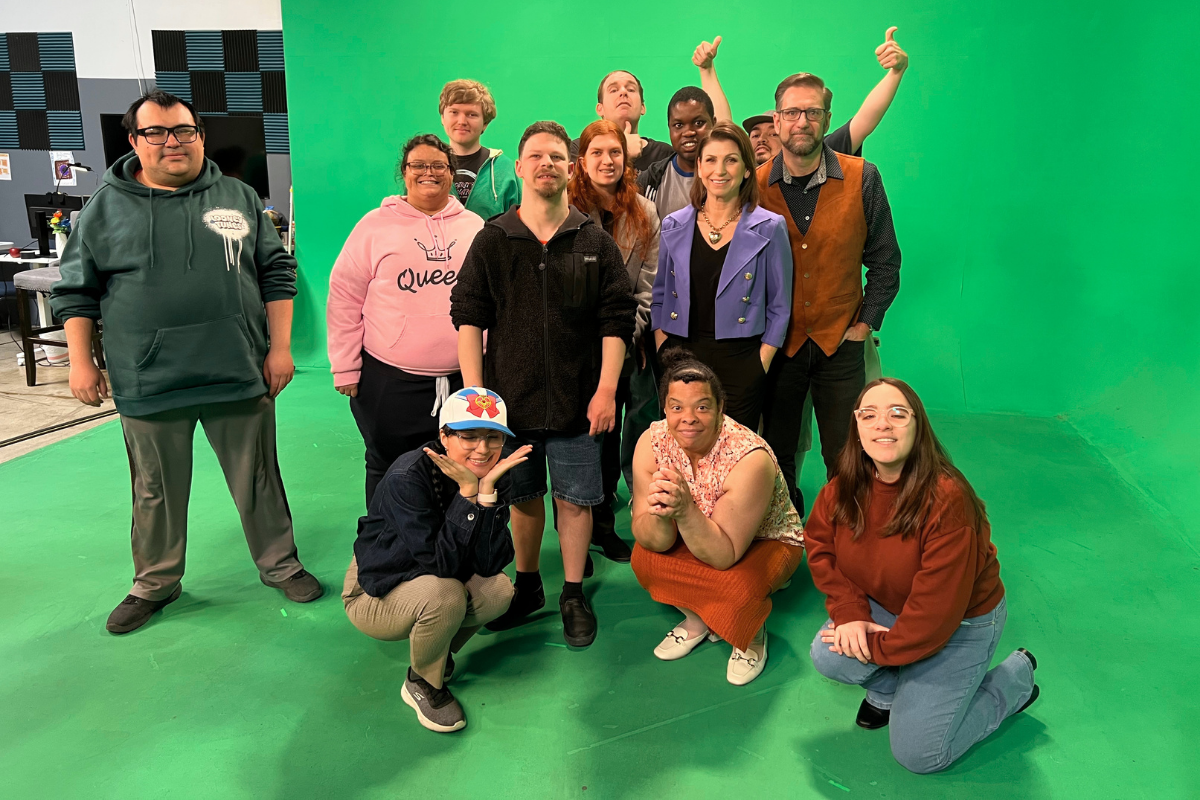
That is important because creative careers are built on more than talent. They require reliability, communication, flexibility, and the ability to collaborate with people who bring different skills and perspectives to the table.
Tutorials can introduce a technique. Hands-on experiences help students understand why the technique matters, when to use it, and how to adapt it when the situation changes.
That is the difference between knowing the steps and truly understanding the process.
For students ready to explore creative classes, production, performance, and digital media, visit: https://jdscreativeacademy.org/classes
You can also support inclusive creative opportunities through the JDS Creative Academy Variety Show Fundraiser: https://jdscreativeacademy.org/variety-show-fundraiser