Why Inclusive Creative Spaces Matter More Than Ever
Talent is everywhere. Opportunity is not.
A creative person can walk into a room full of ideas and still feel as though there is no place for them.
The space may not be physically accessible. The pace may move too quickly. They may not see anyone like themselves represented onstage, behind the camera, in the classroom, or in a leadership role. Sometimes, the biggest barrier is simply the feeling that they must fit a certain mold before they are allowed to participate.
That is why inclusive creative spaces matter more than ever.
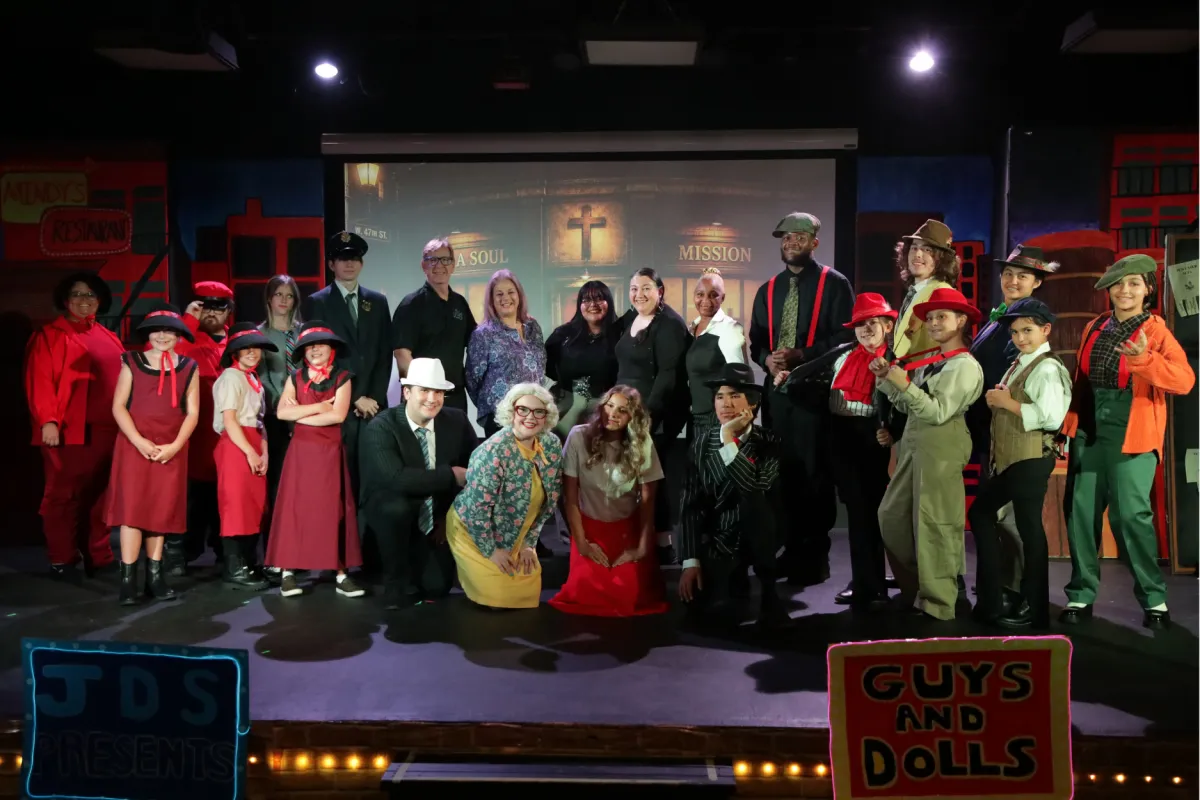
At JDS Creative Academy, we believe creativity should be accessible to everyone. An inclusive arts environment does not expect every student to learn, communicate, perform, or create in the same way. It recognizes that every person brings different strengths, needs, perspectives, and life experiences into the room.
Those differences are not barriers. They are part of what makes every class, production, and creative project stronger.
Inclusion Is More Than an Open Door
Saying that everyone is welcome is an important beginning, but true inclusion goes further.
It means creating meaningful ways for people to participate. It can include providing clear instructions, offering different ways to complete a task, allowing time to process information, and building a supportive rehearsal or production environment.
It also means making sure every person has a role that feels purposeful.
Some students may feel most confident performing in front of an audience. Others may discover that they love writing scripts, operating a camera, editing footage, designing sets, managing sound, interviewing guests, or helping behind the scenes.
There is no single way to be creative, and there is no single role that matters more than another.
Inclusion is not about lowering expectations. It is about removing unnecessary barriers so that more people have a fair opportunity to learn, contribute, grow, and succeed.
Representation Changes What People Believe Is Possible
Representation matters because people need to see that there is room for them.
When students see people of different abilities, ages, backgrounds, and experiences creating meaningful work, it can change what they believe is possible for their own future.
Representation matters onstage, but it also matters in writing rooms, editing suites, production crews, classrooms, studios, and decision-making spaces.
A student may not walk into an arts program dreaming of becoming an actor. They may discover a passion for filmmaking, digital media, directing, lighting, sound, production, writing, or post-production.
That discovery can open the door to new confidence, new skills, and even a future career path.
Creative spaces become stronger when they recognize that talent does not look only one way.

Belonging Comes Before Confidence
Confidence is often treated as something students must already have before they participate.
In reality, confidence usually grows after someone feels safe, supported, and valued.
A student becomes more willing to share ideas when they know people are listening. They become more comfortable taking creative risks when mistakes are treated as part of the learning process. They begin speaking up when they understand that their contribution matters to the group.
That sense of belonging can turn a nervous first day into a lasting creative journey.
At JDS Creative Academy, inclusive arts education gives youth, teens, and adults of all abilities opportunities to explore acting, filmmaking, digital media, musical theater, scriptwriting, editing, and production.
The goal is not for every student to follow the same path. The goal is to help each person discover where their individual strengths can make an impact.

Why This Matters Beyond the Arts
Inclusive creative spaces teach much more than performance and production skills.
Students also practice communication, collaboration, adaptability, problem-solving, empathy, leadership, and self-expression.
These are skills they can carry into school, employment, relationships, and community life.
When people learn how to create alongside someone whose experiences are different from their own, they also learn how to listen, adjust, communicate, and work together.
That is how creative spaces help build stronger and more connected communities.
When people are given access, representation, and a genuine place to belong, creativity becomes more than entertainment. It becomes a way to be seen, heard, and valued.
Talent is everywhere. Opportunity is not.
By creating inclusive spaces, we can help make sure more people have the chance to discover their voice, develop their talents, and find where they belong.
Explore the inclusive classes and creative programs available at JDS Creative Academy:
https://jdscreativeacademy.org/classes