How JDS Helps Students Build Real-World Creative Skills
One of the things I love most about the arts is that you are never just learning the art.
You may walk into a class thinking you are there to learn how to act, sing, dance, write, film, edit, or perform, but somewhere along the way, something bigger starts happening. You learn how to work with people. You learn how to listen. You learn how to speak up. You learn how to solve problems, take direction, accept feedback, and keep going when something does not work the first time.
That is the kind of learning we believe in at JDS Creative Academy.
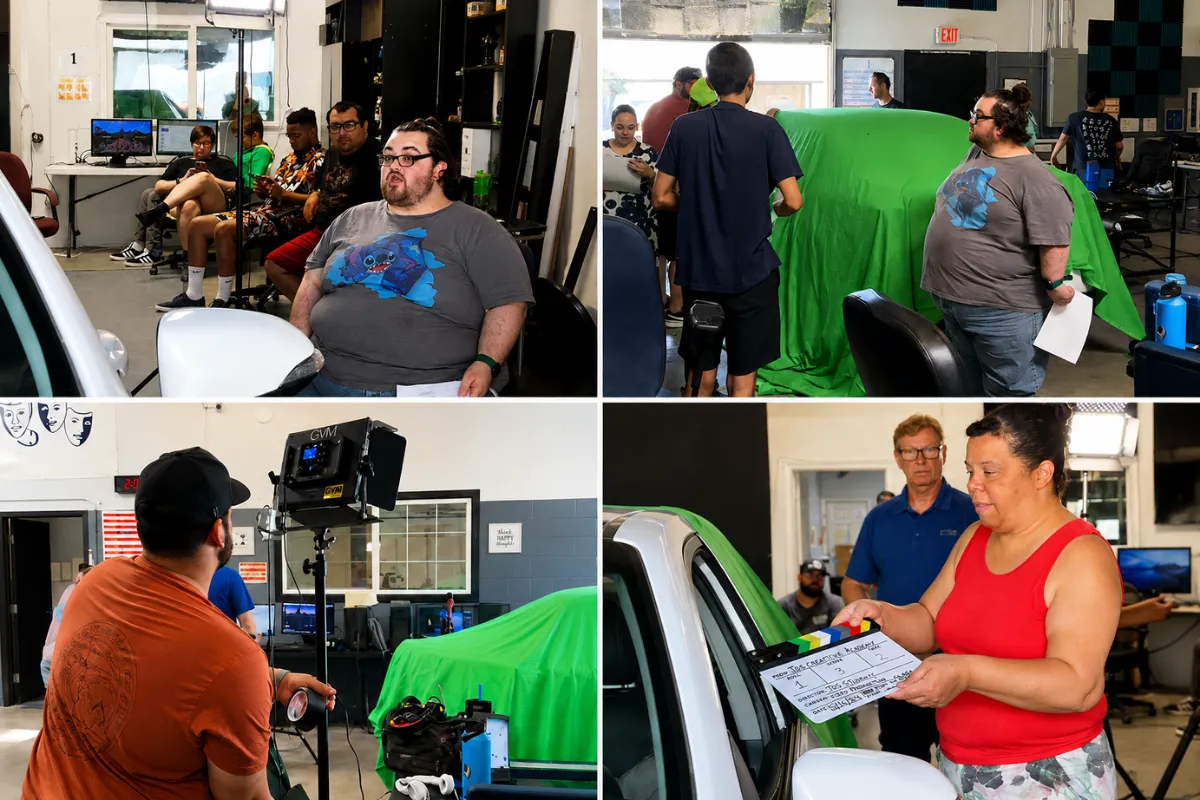
Creative education gives students a chance to learn by actually doing. You can talk about teamwork all day long, but it feels very different when you are part of a production, and everyone is counting on one another. You can talk about communication, but it becomes real when you have to explain an idea, listen to someone else's perspective, and figure out how to move forward together.
And if you have ever been part of a live performance, film project, rehearsal, or production, you already know this: things do not always go according to plan.
Someone misses a cue. A line gets forgotten. Technology does not cooperate. A scene needs to be reworked. The deadline is getting closer. Suddenly, the team has to adjust, problem-solve, and keep moving.
I actually love those moments because that is where so much growth happens.
Students begin to realize that creativity is not just about having a great idea. It is about what you do with that idea. Can you communicate it? Can you develop it? Can you work with other people? Can you adapt when something changes? Can you follow through?
Those are real-world skills, and they matter in every industry.
Leadership also shows up in ways students may not expect. Being a leader does not always mean standing at the front of the room. Sometimes leadership means being prepared. Sometimes it means helping someone else. Sometimes it means taking responsibility for your part, staying focused, asking a good question, or being willing to try again.
Those small moments can become big confidence-builders.
Over time, students begin to understand that their ideas matter and that they have something valuable to contribute. That confidence can carry into school, a first job, an internship, a college classroom, a creative career, or whatever comes next.
Workforce development is a huge part of why we do what we do at JDS Creative Academy. The creative world is full of real jobs and real career pathways. It is not only the actor on stage or the person you see on camera. It is the writer, director, editor, producer, camera operator, production assistant, designer, marketer, technician, content creator, stage manager, and everyone working behind the scenes to bring a project to life.
That is why hands-on learning matters so much to us.
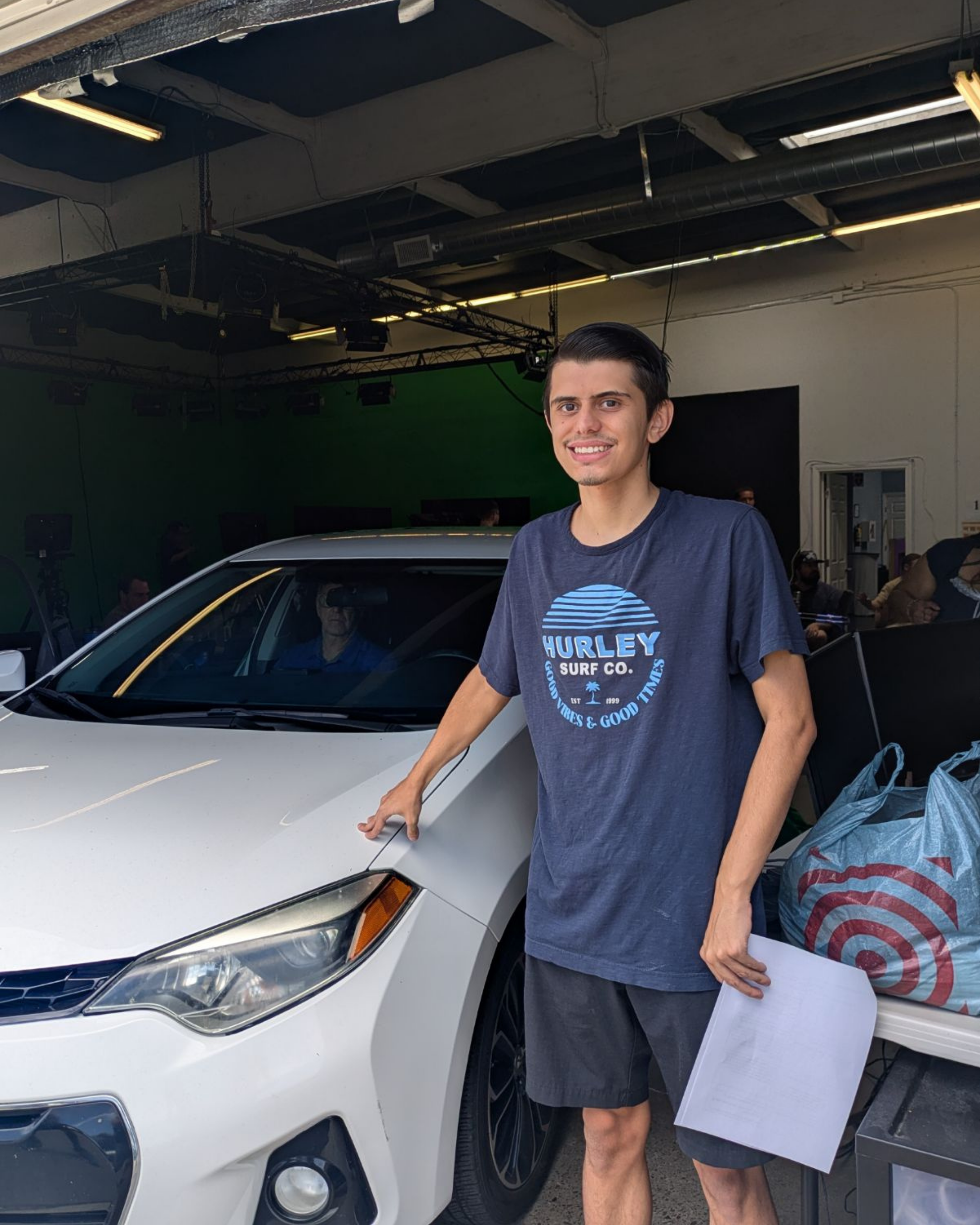
Students get the chance to see how a creative project actually comes together. They begin to understand that talent is important, but so are professionalism, communication, time management, teamwork, flexibility, and follow-through.
Our video production job training program for adults with developmental disabilities is another important part of that mission. We believe people of all abilities deserve opportunities to learn meaningful skills, contribute to real projects, gain experience, and be seen for what they can do.
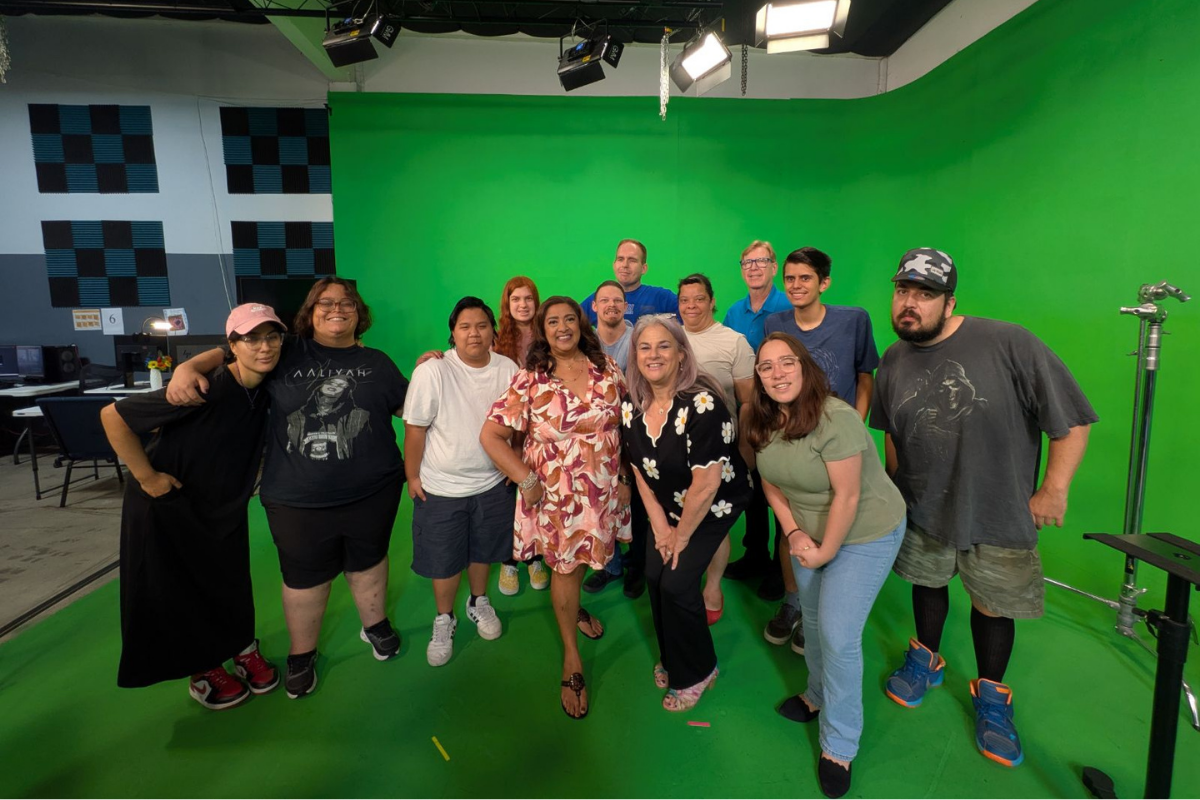
For me, inclusion has always been about more than simply being invited into the room. It is about having a real role once you get there.
Media literacy is another piece of this that matters more than ever.
Our students are growing up surrounded by media. They are watching videos, scrolling social media, seeing advertisements, streaming shows, listening to podcasts, and taking in messages all day long.
But once you learn how media is made, you start seeing it differently.
You start asking questions.
Why did they choose that camera angle? Why did that scene make me feel a certain way? Why was that music added? Who is this message for? What does the creator want me to think, feel, or do?
When students learn how to write, film, edit, perform, and tell stories, they are not just learning how to create content. They are also learning how to understand it.
That is powerful.
And one of my favorite things to watch is when a student comes in thinking they are interested in one thing and then discovers something completely different.
Maybe they start with acting and realize they love directing. Maybe they love performing but become fascinated by editing. Maybe they thought they wanted to stay behind the scenes and suddenly find the courage to step onstage.
That is why I talk so much about becoming a multi-hyphenate creative.
You do not have to put yourself in one box.
You can learn different skills. You can try new things. You can build on what you already know and keep adding to it.
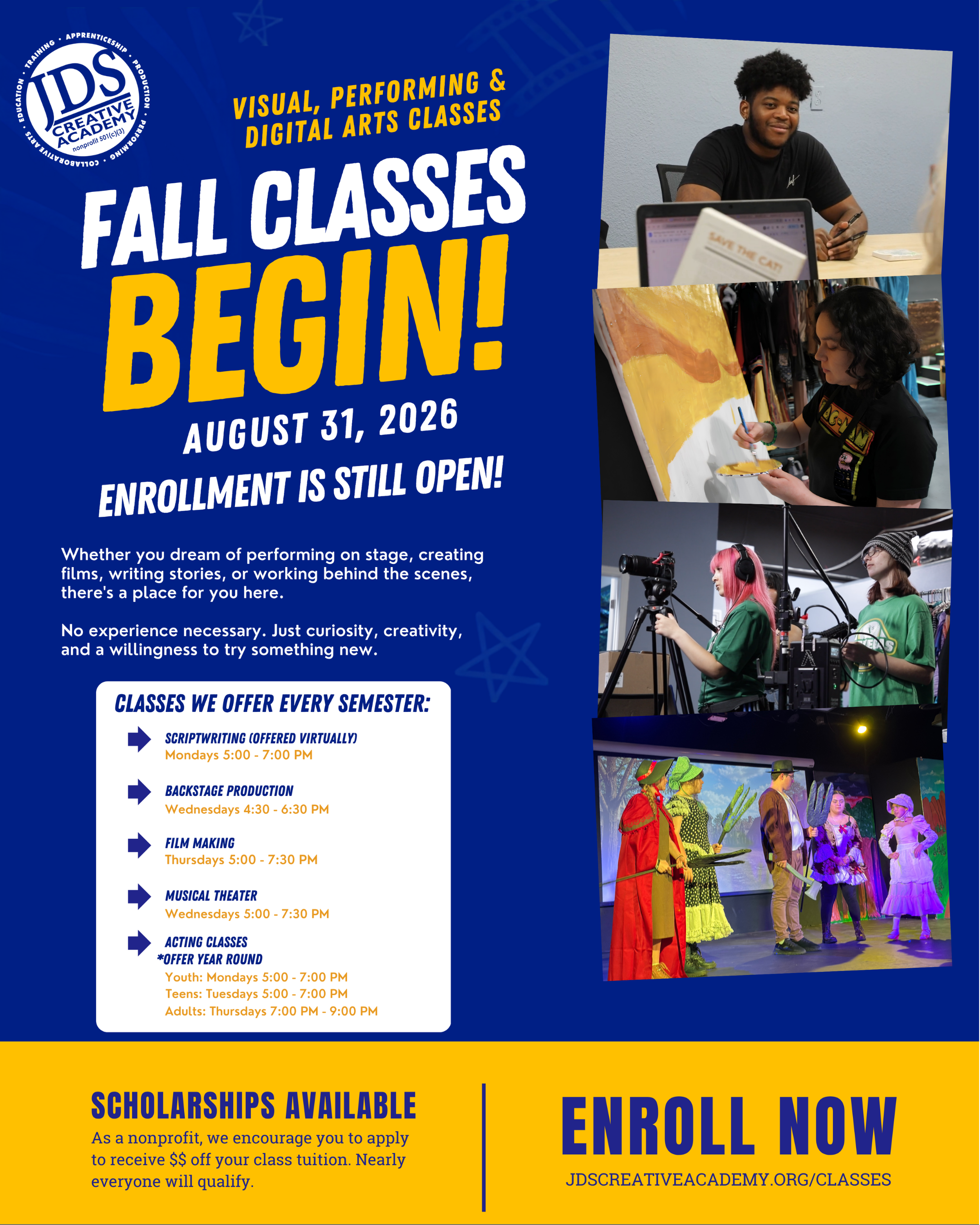
Our Fall Classes begin August 31, and I am excited to see students step into the studio, try something new, and continue building those skills through real, hands-on experiences.
And for our musical theater students, auditions for Fiddler on the Roof are September 2! Our Musical Theater program is such a great example of how many creative and real-world skills can come together in one place. Acting, singing, movement, storytelling, teamwork, preparation, discipline, and live performance all have to work together to bring one production to life.
That is what makes creative education so exciting to me.
You may walk into JDS because you want to learn how to perform or create something.
But you may walk out knowing how to communicate better, work with a team, solve a problem, lead, adapt, and believe a little more in what you are capable of doing.
And those are skills that can take you far beyond the stage.
Where Creativity Meets Opportunity.