From Script to Stage: How Theater Helps Young People Find Their Voice
A script is never just words on paper. For many young people, it becomes the first place where they begin to understand themselves, their voice, and how powerful storytelling can be when it is brought to life.
In the theater, students are not simply memorizing lines or following directions. They are stepping into a creative process that requires them to think, respond, collaborate, and express emotion with purpose. The journey from script to stage becomes a space where communication skills are strengthened, confidence is built, and personal growth naturally unfolds.
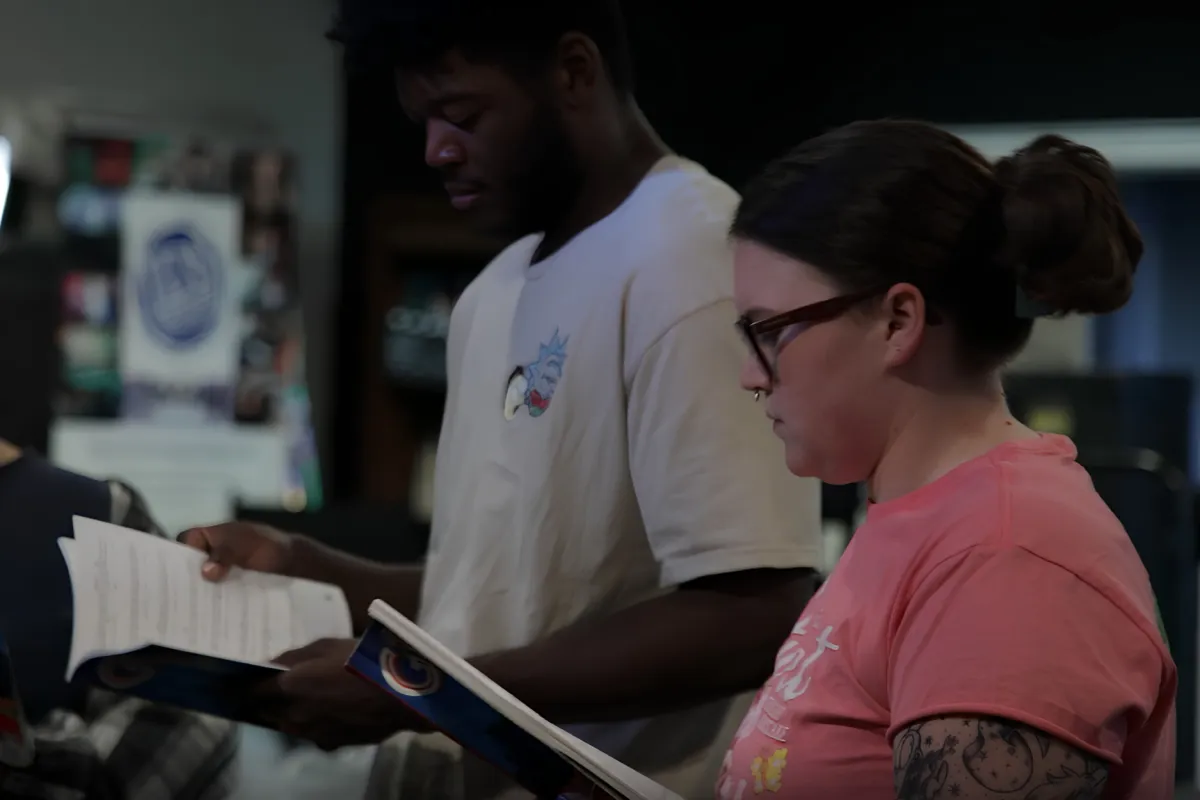
Theater education has long been recognized as one of the most effective tools for developing communication and life skills. When students rehearse dialogue, interpret characters, and perform in front of others, they learn how to speak clearly, listen actively, and connect meaningfully with an audience. Research shows that theater training significantly improves verbal and nonverbal communication, teamwork, empathy, and self-expression in young people.
This is where inclusive arts education becomes essential. Programs like those offered through JDS Creative Academy are built on the belief that every student has a voice worth developing. Regardless of background, ability, or experience level, theater provides a safe and structured environment where students can grow creatively and personally.
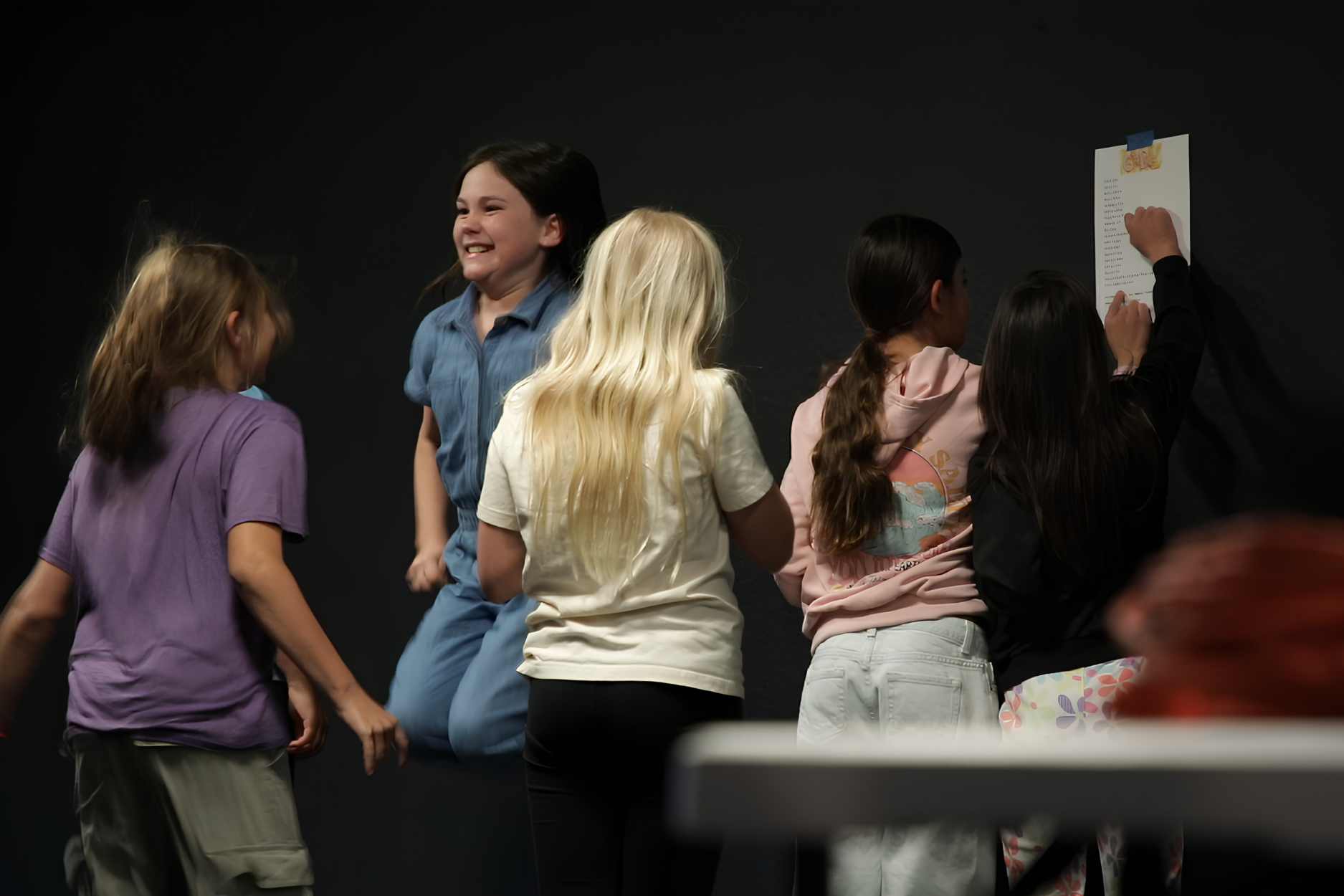
One of the most powerful outcomes of theater training is confidence. Students who may start shy or unsure often discover that stepping on stage allows them to take creative risks in a supportive space. Over time, they begin to trust their voice, their presence, and their ability to communicate ideas clearly. Confidence is not taught directly; it is developed through repetition, practice, and experience.
Equally important is the social development that happens in every rehearsal and performance. Theater is built on collaboration. Every scene requires listening, timing, respect, and teamwork. Students learn how to work with others toward a shared creative goal, developing communication habits that extend far beyond the stage and into real-life situations.
There is also an emotional layer to theater that cannot be ignored. Acting allows young people to explore different perspectives and emotions in a structured and safe environment. Whether expressing joy, conflict, or vulnerability, students learn to process feelings in a healthy, constructive way. This contributes to stronger emotional wellness and self-awareness.

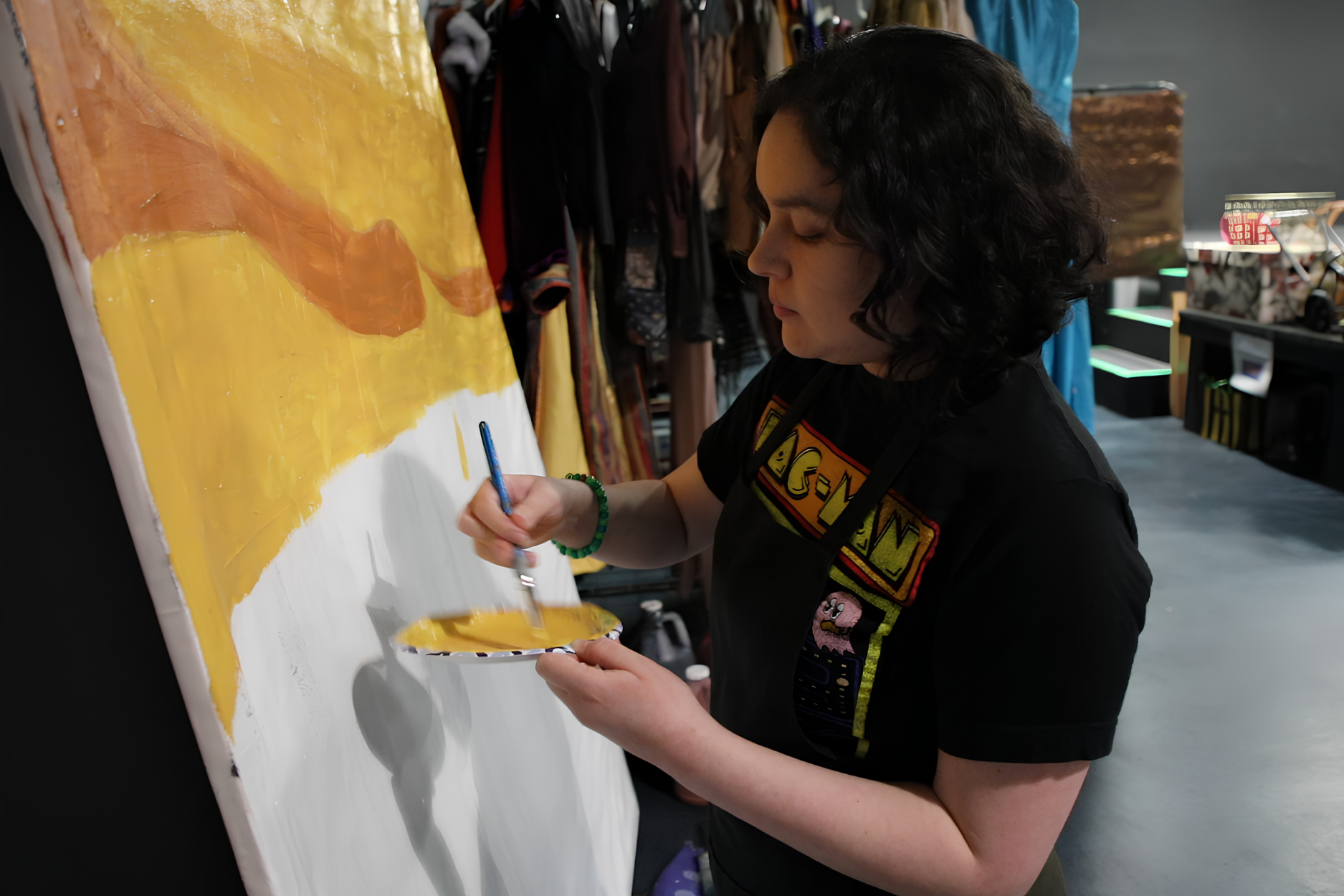
Beyond personal development, theater also connects directly to creative workforce development and performing arts training. Students gain exposure to real production processes, including script development, rehearsal structure, stage direction, and live performance execution. These are foundational skills used in media, film, communication, and creative industries.
Programs like this are part of a larger mission to prepare students for real creative pathways, not just artistic expression. Through opportunities like summer training programs at https://jdscreativeacademy.org/summer-camp, students experience hands-on learning that bridges education and real-world exposure to the creative industry.
This is also where the broader impact of JDS becomes clear. Through initiatives such as storytelling programs and productions connected to Spirit of Innovation Arts Across America and community events like DigiFest Temecula, students see how creativity extends beyond the classroom and into platforms that celebrate innovation, inclusion, and artistic voice.
At its core, theater is not just about performance. It is about transformation. It helps young people move from hesitation to expression, from silence to confidence, and from uncertainty to clarity.
Because when a student finds their voice on stage, they do not leave it there. They carry it into how they speak, how they lead, and how they show up in the world.
And that is where real impact begins.